How Beauty Becomes a Path of Inner Awakening
Embodied Consciousness is not a philosophy of escape.
It is a way of inhabiting life fully—through the body, the senses, and the quiet intelligence of attention.
Within this orientation, aesthetics is not ornamental.
It is foundational.
Beauty is not something we add to life once meaning is found.
Beauty is often how meaning first announces itself.
🌿 Consciousness Begins in the Senses
Before reflection, before language, before belief—there is perception.
Light touching the skin.
Texture under the fingers.
A form that feels balanced without explanation.
Aesthetics is the domain where consciousness first learns coherence.
This is why spiritual traditions that emphasize embodiment never reject the senses outright. Instead, they refine them.
To perceive beauty is to feel, however briefly, that the world makes sense.

🌸 Beauty as Truth: A Shared Insight Across Cultures
John Keats articulated a profound metaphysical intuition when he wrote:
“Beauty is truth, truth beauty.”
This is not poetic exaggeration—it is philosophical precision.
Indian philosophy expresses the same unity through the triad:
Satyam Shivam Sundaram
(Truth – Consciousness – Beauty)
Here, beauty is not secondary to truth.
It is truth perceived through form.
In embodied consciousness, this insight becomes experiential:
when something feels deeply beautiful, it is often because it is aligned.
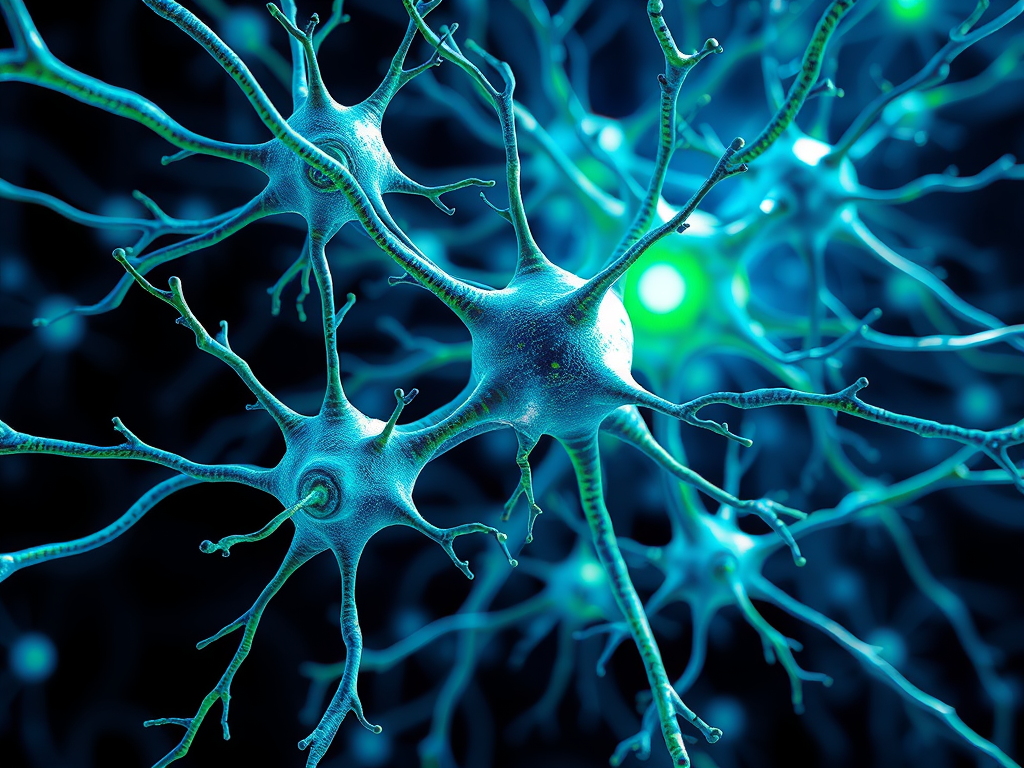
🧠 The Nervous System Knows Beauty Before Thought
Modern neuroscience quietly confirms what lived experience already knows.
Aesthetic experiences:
- Reduce compulsive self-referential thinking
- Calm the nervous system
- Increase present-moment awareness
In spiritual language, this is called stillness.
In embodied terms, it is regulation.
Beauty does not instruct the mind—it reorganizes attention.
And when attention reorganizes, consciousness deepens.
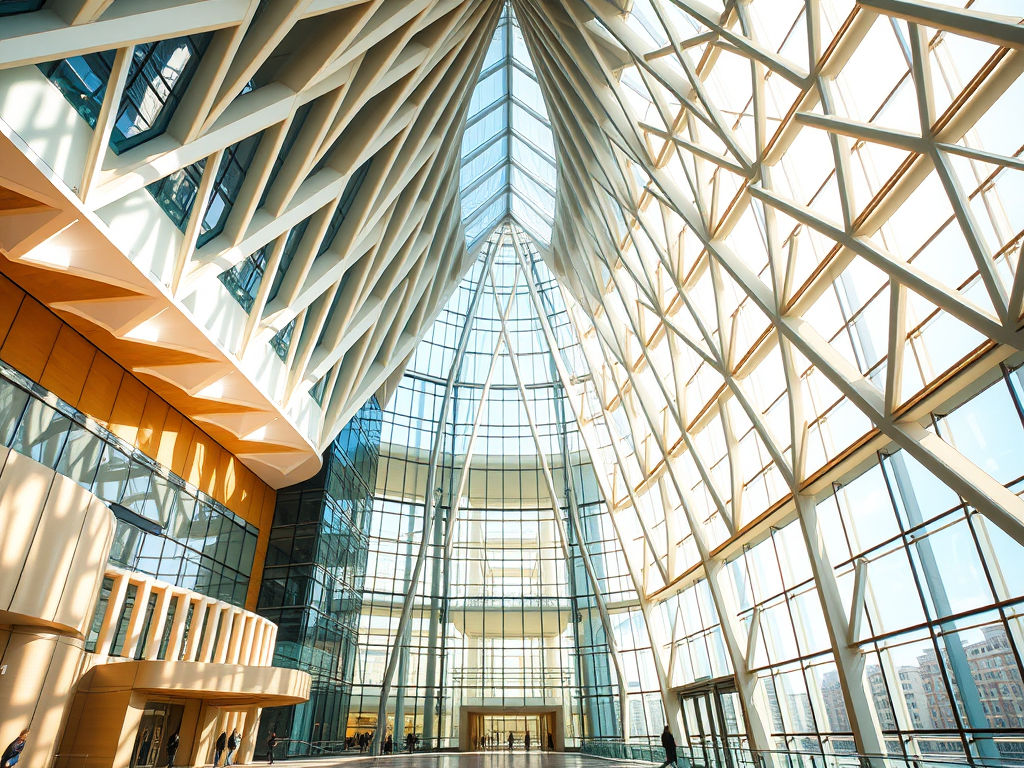
🏛️ Space, Form, and the Architecture of Awareness
Sacred spaces across cultures share something unmistakable.
Whether minimalist or ornate, they are designed to:
- Slow perception
- Invite vertical awareness
- Humble the ego without humiliation
These spaces work not by belief, but by felt orientation.
In embodied consciousness, space itself becomes a teacher.
The body learns reverence before the intellect forms meaning.
🎨 Art as Embodied Insight
Art belongs naturally to embodied consciousness because it arises from felt experience.
Art does not argue.
It does not explain.
It presents.
A handmade garment.
A line drawn with care.
A form shaped through repetition.
These acts carry attention forward through the body.
🪡 To create beauty is to stabilize awareness in matter.
This is why art has always accompanied spiritual life—not as decoration, but as translation.
👘 Aesthetic Living as Spiritual Practice
Embodied consciousness recognizes that what we wear, touch, and create shapes awareness.
Natural textures.
Intentional design.
Handmade forms.
These are not indulgences.
They are choices of attention.
When life is lived aesthetically, the body itself becomes a site of contemplation.
Spirituality ceases to be abstract—it becomes inhabited.
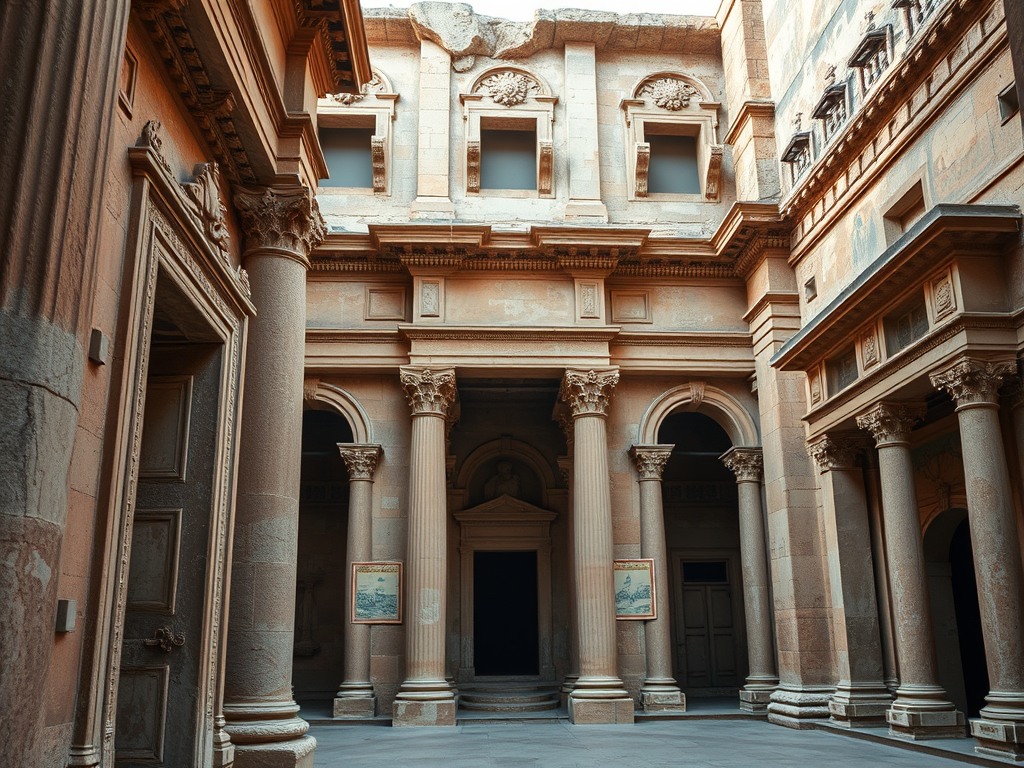
🌾 Simplicity: Where Beauty and Awareness Converge
In embodied traditions, beauty often deepens as excess falls away.
Simplicity is not absence—it is precision.
Zen aesthetics, Indian temple geometry, and contemplative art all point toward this truth:
clarity refines perception.
When unnecessary elements dissolve, what remains becomes luminous.

🌌 The Subtle Mystery: Why Beauty Feels Like Recognition
Beauty moves us because it feels familiar.
Not familiar in memory—but familiar in essence.
It suggests a coherence we already belong to.
A rhythm the body remembers.
A truth the mind did not invent.
Embodied consciousness does not seek transcendence elsewhere.
It notices that wholeness is already present—when perceived clearly.
Beauty helps perception return to that clarity.
🌙 Closing Reflection: Living the Beautiful Path
Embodied Consciousness is not about reaching higher states.
It is about meeting life with finer attention.
Beauty trains that attention gently.
Truth does not always arrive as insight.
Sometimes it arrives as beauty—
and asks us simply to stay present.
To live aesthetically is not to decorate existence.
It is to listen to it more carefully.
And in that listening,
consciousness
naturally deepens.


Leave a comment